CAMEROON’S CONSTITUTIONAL COUNCIL WELCOMES TWO NEW MEMBERS AS RÉMY NAMA AND ABDOULLAYE DAOUDA TAKE OATH BEFORE PARLIAMENT
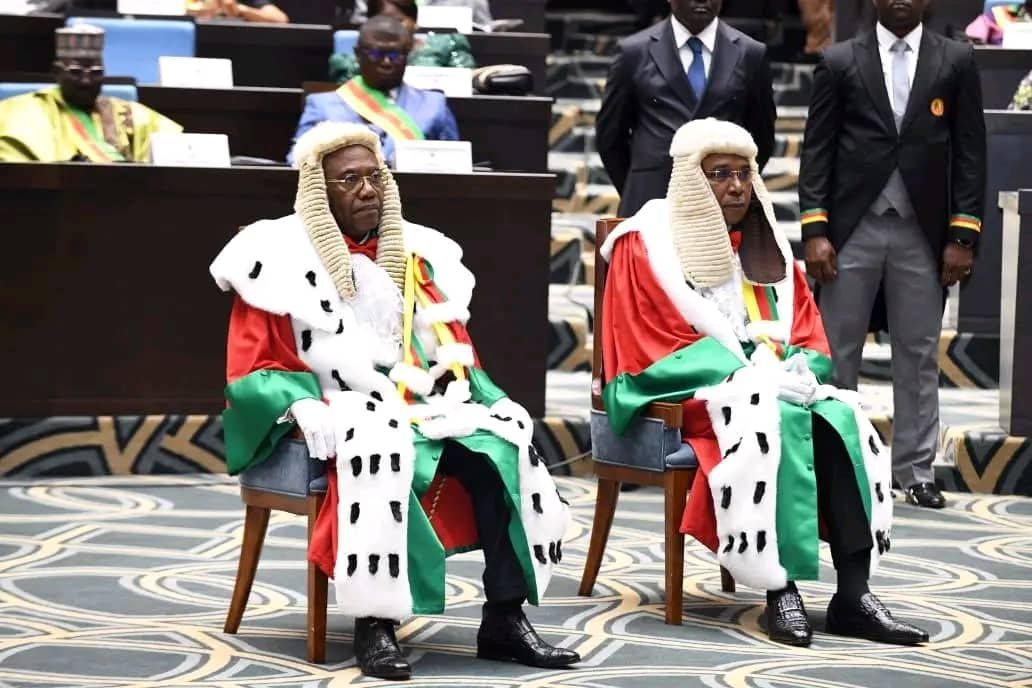
The renewal of Cameroon’s Constitutional Council leadership has reached a significant institutional milestone, with two newly appointed members formally taking their oath of office before Parliament sitting in Congress. The ceremony marks the beginning of their official responsibilities within an institution entrusted with safeguarding constitutional order and overseeing key aspects of the country’s democratic and electoral processes.
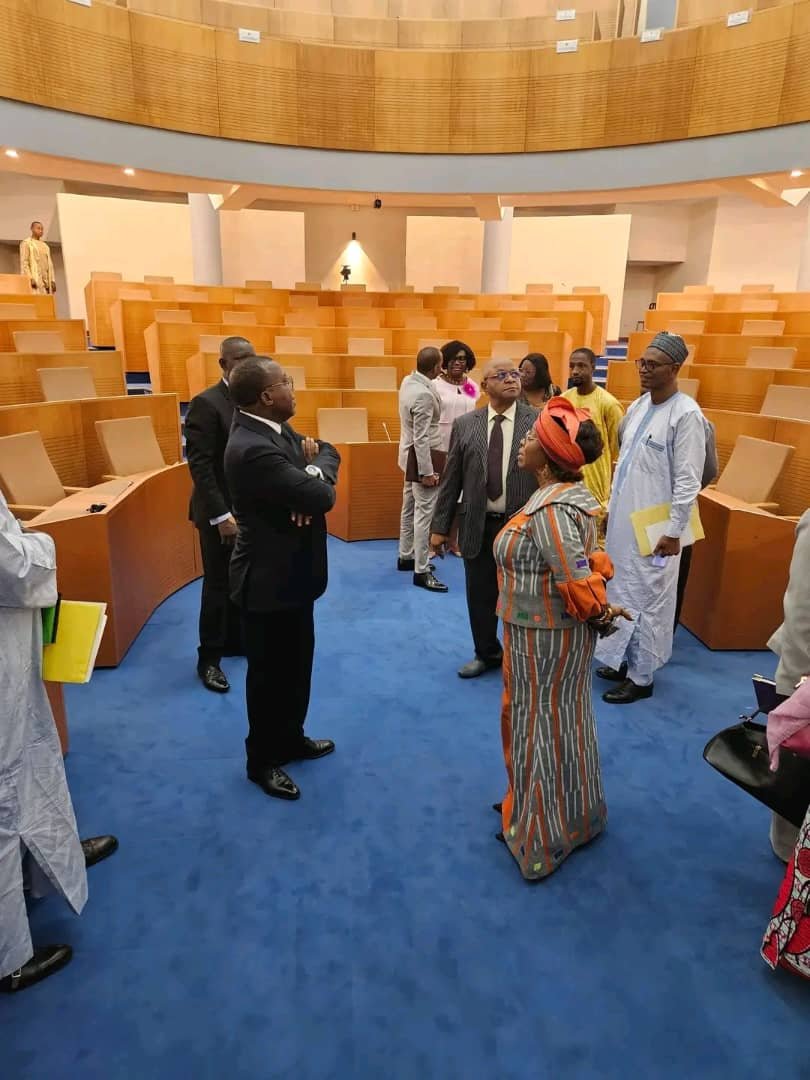
The solemn sitting of the 7th Congress of Parliament was presided over by the Speaker of the National Assembly, the Right Honourable Datouo Theodore, acting in his capacity as President of Congress. The ceremony brought together members of the Bureau of Congress, Senators, Members of the National Assembly, members of Government, representatives of the diplomatic corps and other distinguished personalities.
The two officials, Rémy Nama, appointed President of the Constitutional Council, and Abdoullaye Daouda, appointed member, took their oath in accordance with Article 3 of Law No. 2004/004 of 21 April 2004 governing the organisation and functioning of the Constitutional Council. Their appointments were made through presidential decrees signed on 16 October 2026.
Their appearance before Parliament in Congress fulfilled a constitutional requirement for assuming their respective functions, formally completing an important stage in the appointment process.
The ceremony also provided an occasion to honour the memory of Clément Atangana, who served as the first President of the Constitutional Council. In his address, the President of Congress paid tribute to the late judicial authority, while a minute of silence was observed in recognition of his service to the Republic.
The Speaker equally highlighted the professional backgrounds of the two appointees, drawing attention to their respective careers and the responsibilities they had previously exercised within the country’s judicial and administrative institutions.
At 69, Rémy Nama assumes leadership of the Constitutional Council, succeeding Clément Atangana. Abdoullaye Daouda, aged 65, joins the institution after serving as Special Adviser to the President of the Senate, succeeding the late Bah Oumarou Sanda.
Their appointment restores the Constitutional Council to its full complement of eleven members, following the vacancies created by the deaths of the two former members.
The restoration of the Council’s full membership is particularly timely as Cameroon enters another electoral cycle. On November 9, 2026, President Paul Biya signed Decree No. 2026/345 convening the electorate for the simultaneous legislative and municipal elections scheduled for Sunday, February 7, 2027.
For the newly sworn-in officials, the forthcoming legislative elections will constitute one of their first major institutional tests. The Constitutional Council is constitutionally mandated to ensure the regularity of parliamentary elections, examine electoral disputes and proclaim the final results. These responsibilities place the institution at the centre of the post-election process, particularly where disagreements arise over the conduct or outcome of parliamentary contests.
Under the electoral framework, the Council’s jurisdiction covers disputes relating to the election of Members of the National Assembly. Its decisions are therefore essential to the resolution of electoral controversies and the formal determination of parliamentary election results.
The February 2027 legislative elections will consequently provide an early opportunity for the new leadership to exercise these responsibilities. Rémy Nama, as President of the Council, and Abdoullaye Daouda, as a newly appointed member, will be part of the institution responsible for examining the electoral disputes brought before it and proclaiming the final results in accordance with the law.
The importance of this responsibility lies in maintaining the balance between state institutions and ensuring that the exercise of public authority remains within the limits established by the Constitution. Its decisions, which are binding and not subject to appeal, carry considerable institutional weight. soso.legal
The oath taken by the new members therefore represents more than a ceremonial formality. It is a solemn commitment to discharge their duties impartially, respect the Constitution, preserve the confidentiality of deliberations and votes, and refrain from taking public positions on matters falling within the Council’s jurisdiction. These obligations are expressly provided for under the law governing the institution.
With the February 7, 2027 legislative elections approaching, attention will increasingly turn to the Constitutional Council’s readiness to handle the electoral disputes that may arise and fulfil its responsibility of proclaiming the final parliamentary results.