Category: Parliament

  • Speaker, Hon Datouo Opens June Session With a Call for Transparency, Reform and National Renewal

    Speaker, Hon Datouo Opens June Session With a Call for Transparency, Reform and National Renewal

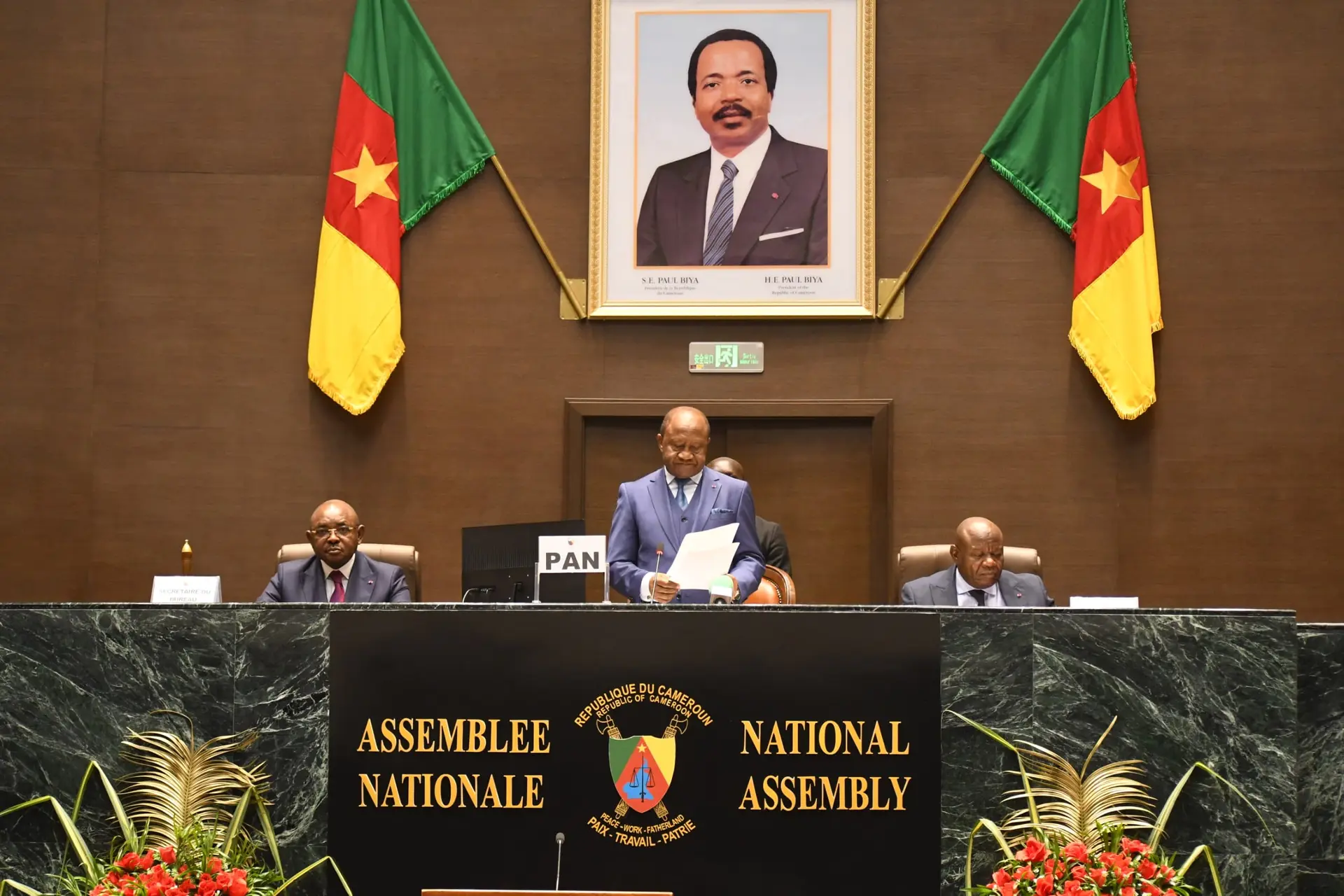
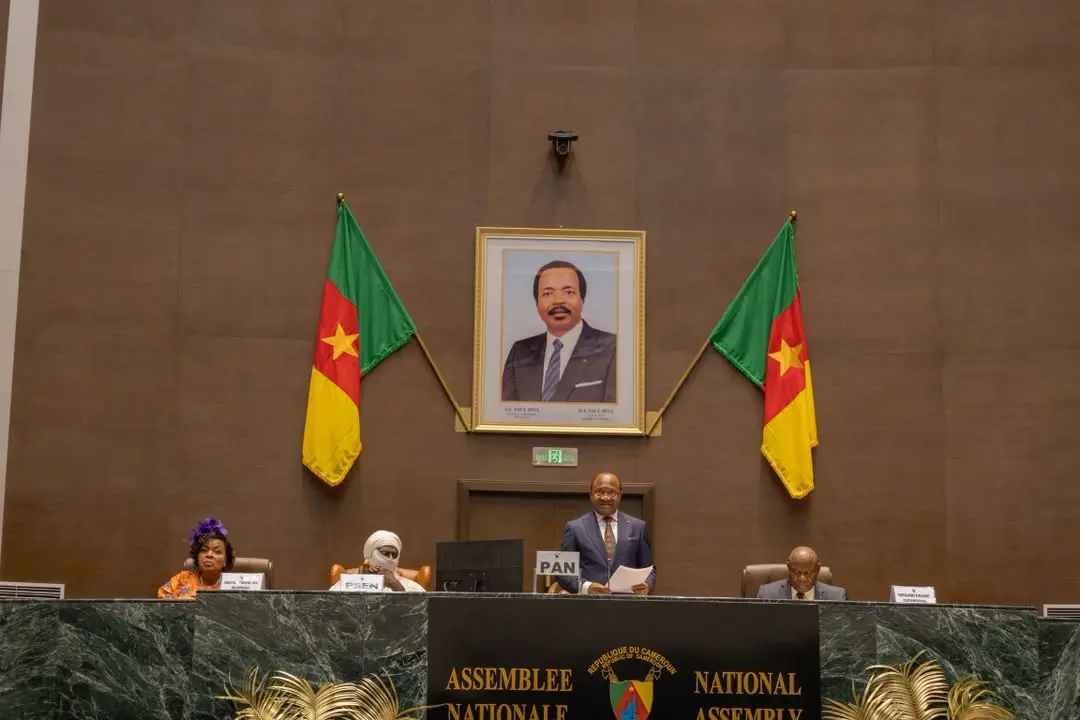
    The Paul Biya Glass House in Ngoa-Ekelle, Yaoundé, was the setting on June 9, 2026, for the solemn opening of the Second Ordinary Session of the National Assembly for the 2026 Legislative Year, as the Right Honourable Théodore Datouo, President of the National Assembly, delivered an opening address that was at once a tribute to the fallen, a reflection on a nation at a pivotal moment, and a clear-eyed statement of the legislative priorities that will define the weeks ahead.

    The session opened in the shadow of profound institutional loss. The Right Honourable Datouo did not shy away from the weight of the moment, opening his address with words of mourning for what he described as two patriarchs of Cameroon’s Parliament. The President Emeritus of the Senate, Senator Marcel Niat Njifenji, died in YaoundĂ© on April 11, 2026, taking with him a legacy of uncommon wisdom and decades of distinguished public service. As a well-known engineer, accomplished statesman, and pioneer President of the Senate from its inception in 2013, he had led the chamber with the rigour and intelligence that defined a long and extraordinary career. A few weeks later, the nation learned with consternation of the death of the Emeritus Speaker of the National Assembly, the Right Honourable CavayĂ© YĂ©guiĂ© Djibril, a man whose political legacy, in the Speaker’s own words, virtually conflates Cameroon’s contemporary history. A traditional ruler, an elected representative with popular grassroots support, a staunch militant of the Cameroon People’s Democratic Movement, and Africa’s longest-serving parliamentarian before his death, CavayĂ© YĂ©guiĂ© Djibril had served as Member of Parliament for more than half a century and as Speaker for thirty-four uninterrupted years with authority, experience, and statesmanship. The Speaker added that the cold hands of death had also taken the Honourable Mbe Assae ThĂ©odore Alexandre, Member of Parliament for the Dja and Lobo Constituency, who was serving his fourth mandate and chairing the Committee on Economic Affairs with competence and dedication. The assembly rose in a solemn minute of silence in memory of all departed parliamentarians, observed in the presence of the President of the Senate, the Prime Minister and Head of Government, the President of the Constitutional Council, the Chief Justice of the Supreme Court, the Attorney General of the Supreme Court, members of government, ambassadors, and representatives of international organisations.

    The Speaker then turned to the national and international landscape within which this session is opening, describing it as a period marked by landmark events of global importance. He began with the Fourteenth Ministerial Conference of the World Trade Organisation, which took place in Cameroon, in which he personally participated alongside government officials, private sector representatives, and delegations from across the world. He described the conference as an important step in the collective quest to make the World Trade Organisation more effective, credible, and sustainable, and commended the full participation of public authorities and the organisational quality that allowed Cameroon to once again demonstrate its diplomatic savvy and its capacity to host international events of the highest order. He saluted in particular the inputs of the Government of Cameroon under the stewardship of the Prime Minister, Head of Government, who served as the personal representative of the President of the Republic, His Excellency Paul Biya.

    A second landmark was the apostolic visit of His Holiness Pope Leo XIV, a moment the Speaker described as of exceptionally spiritual and human importance. He noted that Cameroonians, notwithstanding their political, socio-cultural, and religious diversity, massively turned out to welcome the Pope with enthusiasm and joy. The Pope’s message in YaoundĂ©, Bamenda, and Douala was one of dialogue, social justice, reconciliation, resilience, and peace. The Speaker drew particular attention to the scenes in Bamenda, where thousands of people came to listen to the Pope’s message of forgiveness and reconciliation in a region that has been deeply affected by years of armed conflict, describing the massive turnout in Bamenda as one of the most powerful and enduring images of the papal visit. Shortly thereafter, Cameroonians celebrated the 54th anniversary of National Unity Day with enthusiasm, reaffirming their loyalty to the Fatherland, republican institutions, and the ideals of living together. The Speaker identified unity as the central theme running through all these events, noting that it was unity that enabled Cameroon to organise the World Trade Organisation Ministerial Conference with resounding success, unity that enabled Cameroonians to give the Pope a historic welcome, and unity that enabled the country to celebrate its shared destiny on May 20. He called on Members of Parliament, wherever they are and wherever they speak in the name of the Republic, to prioritise three things above all: the maintenance of peace, the consolidation of national unity, and the duty to bequeath to succeeding generations the legacy of peace and unity. “Development is impossible without peace,” he declared. “There is no nation without unity. There is no future without social cohesion.”

    Looking ahead on the international parliamentary calendar, the Speaker announced that Cameroon will shortly play host to the 51st General Assembly of the Parliamentary Assembly of La Francophonie, the organisation that brings together parliaments of states and governments that have the French language as their common denominator and that serves as a platform for dialogue, cooperation, solidarity, and the promotion of democratic values in French-speaking countries. The General Assembly, which will be held under the distinguished patronage of the President of the Republic, His Excellency Paul Biya, will bring together hundreds of parliamentarians from five continents. On the sidelines of the Assembly, events will include proceedings of the Francophone Youth Parliament, meetings of the Network of Women Parliamentarians, meetings of Youth Parliamentarians, Standing Committee meetings, and those of the steering organs of the Parliamentary Assembly of La Francophonie. The Speaker urged the Organising Committee to rigorously prepare and make the General Assembly a success story and a conducive setting for fruitful discussions on the major challenges facing Francophone countries, expressing the collective aspiration that YaoundĂ© would become one of the world’s capitals of parliamentary dialogue, peace, and cooperation.

    The substantive legislative agenda of the June session was laid out with clarity and candour. The Speaker identified two pressing issues drawn from the daily concerns of Cameroonian citizens as the priority focus of this session. The first is the mining sector. Acknowledging that Cameroon’s subsoil is potentially rich in mineral resources that should act as a catalyst for economic development, job creation, infrastructure development, and the structural transformation of the economy, he noted with concern that public debate is increasingly rife with questions about the revenue currently generated by the exploitation of certain resources, and that answers remain elusive. He raised the issue of mechanisms for collecting, managing, and redistributing revenue thus generated, and noted that people in mining areas sometimes feel that the wealth extracted from the subsoil is not genuinely improving their living conditions, a situation that fuels a sense of misunderstanding. He called on sector ministries and government officials to redouble efforts to improve transparency, oversight effectiveness, revenue traceability, and the fair redistribution of economic benefits to local populations, and affirmed that Parliament must continue to fulfil its task of legislating and exercising government oversight. “The time has surely come to brainstorm on the reforms needed to enable our country to derive greater benefits from its mining resources, while ensuring that the interests of the communities concerned are more effectively taken into account,” he declared.

    The second issue addressed by the Speaker was land tenure, which he described as a domain where recurring disputes, protracted litigation procedures, competing claims, and reprehensible practices have created the impression that legally established procedures may be called into question. He acknowledged that public authorities have already taken initiatives aimed at modernising land governance, and called for these initiatives to be sustained. His message to the legislature was unambiguous: Cameroonians do not expect sterile debates. They expect solutions and meaningful reforms. They expect institutions to work together in the service of the common good.

    The Speaker concluded by focusing attention on what he described as one of the high points of the session, the Budget Policy Debate, the exercise through which Parliament lays the groundwork for the budgeting choices of the year ahead. He described it not as a technical exercise but as a special moment of dialogue between the government and the nation’s representatives, a moment that affords Members of Parliament the opportunity to voice the concerns of their constituents, encourages anticipation, enhances the quality of public decision-making, strengthens transparency, and enables public policies to better reflect the real expectations of the people. “The deliberations we shall hold in this Chamber will help in shaping the State Budget for the year 2027,” he said, calling on Members of Parliament to conduct deliberations in a spirit of responsibility, rigour, and constant pursuit of the general interest. “Parliament is not merely the place where laws are passed,” he reminded the assembly. “It must be the place where the concerns of the people find an echo and are properly addressed.”

    On that note, the Right Honourable Théodore Datouo declared open the proceedings of the Second Ordinary Session of the National Assembly for the 2026 Legislative Year
  • Hon. Adamou Youmo Koupit : « L’un des meilleurs discours depuis 2020 »

    Hon. Adamou Youmo Koupit : « L’un des meilleurs discours depuis 2020 »

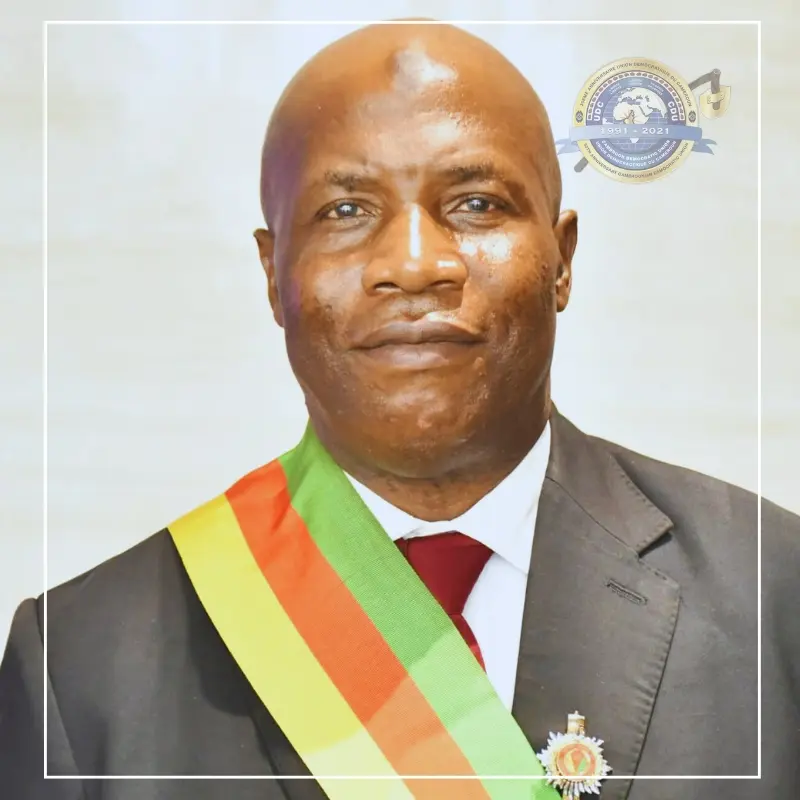
    L’Honorable Adamou Youmo Koupit, député l’Union Démocratique du Cameroun de la circonscription du Noun-Centre, a salué avec enthousiasme le discours d’ouverture de la deuxième session ordinaire de l’année législative 2026, qu’il considère comme l’un des plus marquants prononcés à l’Assemblée Nationale ces dernières années.

    « De mémoire de parlementaire depuis 2020, nous avons assisté à l’un des meilleurs, sinon au meilleur discours de notre Assemblée Nationale », a-t-il déclaré au sortir de la séance solennelle. Selon lui, la qualité et la pertinence de l’allocution ont transcendé les clivages politiques, suscitant l’adhésion d’une large majorité de députés. « Cela a suscité les applaudissements des parlementaires sans frontières politiques, simplement parce que ce discours a planté le décor et touché au cœur des vrais problèmes de notre nation », a-t-il souligné.

    L’élu du Noun-Centre a particulièrement apprécié la manière dont le Président de l’Assemblée Nationale a abordé les questions liées à la gouvernance et à la gestion des ressources naturelles. « Nous avons vu un Président de l’Assemblée Nationale poser les problèmes des Camerounais avec courage et détermination », a-t-il affirmé, relevant notamment les orientations données en matière de gouvernance des ressources minières, un secteur stratégique pour le développement du pays.

    Pour l’Honorable Adamou Youmo Koupit, le discours du Président de l’Assemblée Nationale ne doit pas rester au stade des intentions. Il appelle à des actions concrètes afin de renforcer le contrôle parlementaire sur la gestion des ressources publiques. « Nous nous attendons à ce que le PAN franchisse le pas », a-t-il indiqué, plaidant pour « la mise sur pied d’une commission d’enquête parlementaire » chargée d’examiner les enjeux liés à la gouvernance du secteur minier.

    Rappelant le rôle du Parlement en tant que représentant du peuple, le député estime que la représentation nationale doit pleinement exercer ses prérogatives de contrôle de l’action gouvernementale. Selon lui, un secteur aussi important que celui des mines, appelé à devenir un véritable levier de croissance et de transformation économique, doit davantage contribuer au développement national et au bien-être des populations.

    L’élu de l’UDC a enfin exprimé le souhait que la présente session soit marquée par un dialogue approfondi avec le Gouvernement sur les réformes engagées dans ce domaine. « Nous attendons maintenant qu’au cours de la présente session, une plénière spéciale soit organisée afin que le Gouvernement vienne nous dire où il en est avec les réformes engagées », a-t-il conclu, appelant à davantage de transparence, de redevabilité et de suivi des politiques publiques

  • Honourable Salmana Ahmadou Ali Brings Over 40 Million Francs Worth of Agropastoral and Socioprofessional Support to Maroua Communities

    Honourable Salmana Ahmadou Ali Brings Over 40 Million Francs Worth of Agropastoral and Socioprofessional Support to Maroua Communities

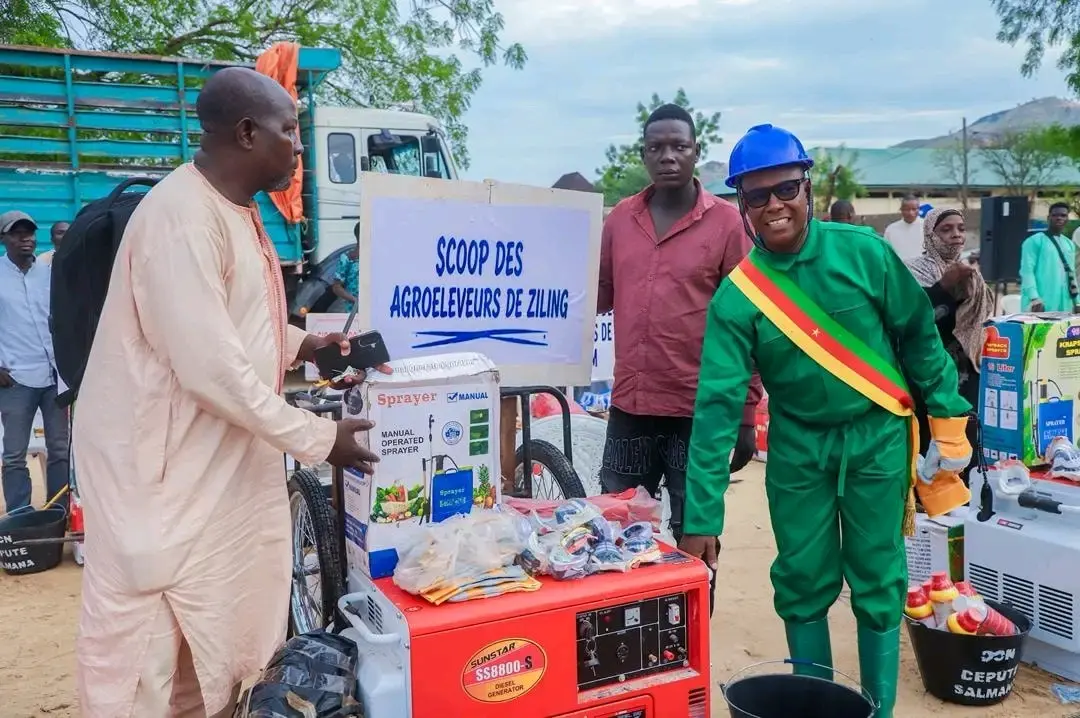
    The ETA/CRA Stadium in Maroua was the setting of a significant moment of constituency service on Friday, June 5, 2026, as the Honourable Salmana Ahmadou Ali, Member of Parliament, organised a large-scale donation ceremony bringing together associations and common initiative groups from across the Maroua constituency for the reception of agricultural materials, agropastoral inputs, and socioprofessional insertion kits valued at over forty million francs CFA.

    The ceremony reflected the determination of the elected representative to translate his parliamentary mandate into concrete and tangible benefits for the populations he serves, in a region where agriculture remains the primary economic activity and where access to quality working tools and vocational equipment continues to define the difference between subsistence and sustainable livelihoods.

    The donations covered a broad and carefully considered range of needs. Beneficiaries received agropastoral materials and inputs designed to boost agricultural production during the upcoming farming season, alongside practical vocational equipment including grinding machines and tailoring machines intended to support the economic insertion and professional autonomy of recipients, particularly women and youth operating within common initiative groups and community associations. School-based beneficiaries also received materials for practical use, reinforcing the link between vocational training and productive activity at the community level. The combined scope of the donation demonstrated a deliberate and comprehensive vision of socioprofessional development that addresses the full spectrum of community needs, from the farm to the workshop and the classroom.

    Speaking at the ceremony on behalf of the beneficiaries, Mr. Matassai conveyed the deep gratitude of the recipient communities to the Honourable Salmana Ahmadou Ali for the generosity and foresight of the gesture. He assured the Member of Parliament that the donated materials would be put to immediate and productive use, particularly with the farming season underway, and that the vocational and school equipment would serve as practical learning tools that will directly strengthen the technical capacities of students and young professionals in the community. He expressed confidence that the contribution would have a measurable and lasting impact on agricultural production and economic activity in the Maroua constituency.

    The ceremony drew together a wide cross-section of the local community, with beneficiary groups including associations and common initiative groups that represent the organised backbone of grassroots economic life in the Far North Region. The scale of the donation, exceeding forty million francs CFA, stands as one of the most substantial single constituency contributions of its kind in the region in recent memory, and underscores the Honourable Salmana Ahmadou Ali’s commitment to a model of representation that measures its success not in legislative motions alone, but in the improved daily realities of the men and women who sent him to parliament.

  • Speaker Datouo Receives Swiss National Council President

    Speaker Datouo Receives Swiss National Council President

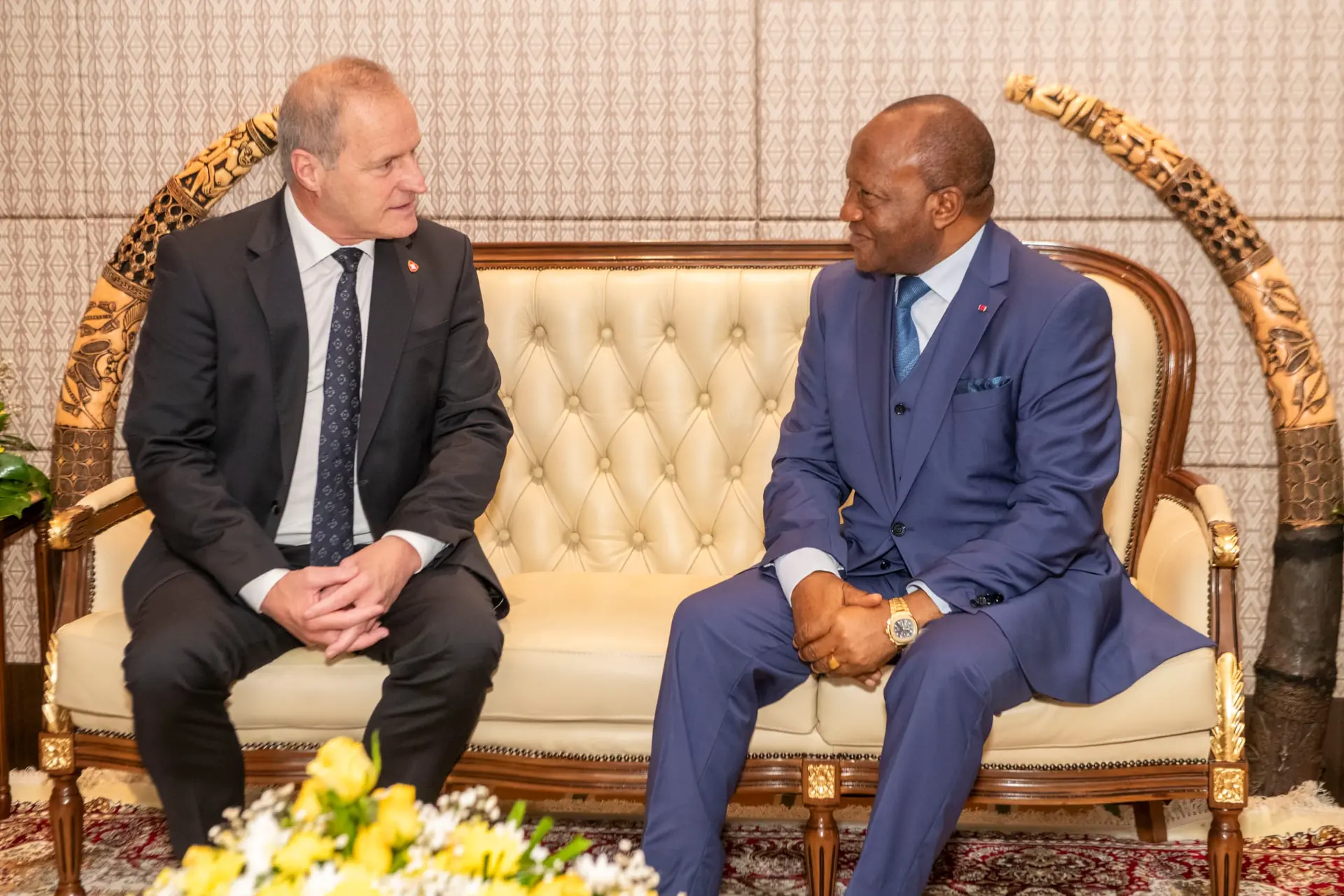
    The Speaker of the National Assembly, the Right Honourable Theodore Datouo, on 8 July 2026 received in audience Mr. Pierre-André Page, President of the Swiss National Council, who is in the country to take part in the 51st Session of the Assemblée Parlementaire de la Francophonie (APF), currently underway in Yaounde.

    The Swiss dignitary was accompanied to the National Assembly by the Ambassador of Switzerland to Cameroon, Her Excellency Natalie Kohli. At the close of the audience, President Page expressed satisfaction with the quality of the exchange he had with the Speaker.

    Rolling out the customary honours, the Right Honourable Theodore Datouo welcomed his guest to Cameroon, and did not fail to extend congratulations to Switzerland on its recent performance at the ongoing FIFA World Cup.

    Beyond the pleasantries, the conversation turned to matters of shared heritage. Both leaders paused to honour the memory of Tilo Frey, the first woman of Swiss and Cameroonian parentage to sit in the Swiss Parliament, a figure both men agreed continues to embody the deep-rooted friendship binding the two nations.

    On the bilateral front, discussions touched on the progress of the new Swiss Embassy building currently under construction in Yaounde, seen as a tangible marker of the strength of ties between Berne and Yaounde. Agriculture featured prominently on the agenda, with both sides agreeing that the transformation of local produce and the modernisation of Cameroon’s agricultural sector stand out as priority areas for cooperation — an orientation expected to boost farmers’ incomes while adding value to national output.

    On the parliamentary front, the two leaders were unanimous on the need to draw their respective institutions closer. Mention was made of the forthcoming visit of the Cameroon-Switzerland Parliamentary Friendship Group to Switzerland, as well as the value of working hand-in-hand with the Swiss Parliament’s own Switzerland-Africa Friendship Group. The two also took time to compare notes on the respective mandates and workings of the National Assembly of Cameroon and the Swiss National Council, an exercise both described as useful groundwork for future cooperation.

    Before taking leave, President Pierre-André Page formally invited the Right Honourable Theodore Datouo to pay a visit to Switzerland before the year runs out.

    The audience closed with a customary exchange of gifts. Of particular significance were symbolic items commemorating Tilo Frey, which the Swiss delegation presented for safekeeping at the Cameroon Parliament Museum. Also present at the audience was the Honourable Joshua Osih, President of the Cameroon-Switzerland Parliamentary Friendship Group.

  • ThĂ©odore Datouo referme la session parlementaire sur fond d’appels Ă  la vigilance nationale

    ThĂ©odore Datouo referme la session parlementaire sur fond d’appels Ă  la vigilance nationale

    L’hĂ©micycle du Palais de Verre Paul Biya a refermĂ©, ce mercredi 8 juillet 2026, les travaux de la deuxième session ordinaire de l’annĂ©e lĂ©gislative en cours. La sĂ©ance plĂ©nière de clĂ´ture, prĂ©sidĂ©e par le PrĂ©sident de l’AssemblĂ©e Nationale, le Très Honorable ThĂ©odore Datouo, s’est dĂ©roulĂ©e en prĂ©sence d’un hĂ´te de marque, le PrĂ©sident du Conseil National Suisse, Pierre-AndrĂ© Page, actuellement en sĂ©jour Ă  YaoundĂ© dans le cadre des assises de la Francophonie parlementaire.

    D’entrĂ©e de jeu, le PrĂ©sident de la Chambre basse a tenu Ă  souhaiter la bienvenue aux nombreux parlementaires francophones venus des quatre coins du monde pour prendre part Ă  la 51ᵉ session plĂ©nière de l’AssemblĂ©e Parlementaire de la Francophonie (APF). Il a saluĂ©, Ă  cette occasion, la prĂ©sence dans l’hĂ©micycle du dirigeant helvĂ©tique, rappelant Ă  l’assistance le rĂ´le que joue cette organisation dans la promotion de la dĂ©mocratie, de l’État de droit et de la coopĂ©ration entre parlements francophones.

    Revenant sur le bilan de ces travaux parlementaires, le Très Honorable ThĂ©odore Datouo s’est rĂ©joui de la vigueur avec laquelle les dĂ©putĂ©s ont exercĂ© leur mission constitutionnelle de contrĂ´le de l’action gouvernementale, Ă  travers notamment les sĂ©ances de questions orales et l’examen approfondi du Document d’orientation budgĂ©taire. Il a prĂ©sentĂ© cet exercice comme un jalon incontournable dans la construction de la Loi de Finances 2027, insistant sur l’impĂ©ratif d’une plus grande transparence dans la gestion des deniers publics, d’une meilleure traçabilitĂ© des recettes de l’État et d’une exĂ©cution plus rigoureuse des politiques publiques. Il n’a pas manquĂ© de saluer la disponibilitĂ© dont ont fait montre les membres du Gouvernement, sous la conduite du Premier Ministre, Chef du Gouvernement, Joseph Dion Ngute, tout au long de ces Ă©changes avec la reprĂ©sentation nationale.

    Le Speaker a par ailleurs profitĂ© de la tribune pour mettre en garde contre les dĂ©rives de la dĂ©sinformation, Ă©voquant la mise en circulation rĂ©cente d’un faux dĂ©cret prĂ©sidentiel relatif Ă  une prĂ©tendue nomination d’un Vice-PrĂ©sident de la RĂ©publique. Il a exhortĂ© les Camerounais Ă  plus de vigilance et de discernement dans la diffusion de l’information.

    L’appel Ă  la responsabilitĂ© citoyenne s’est Ă©galement dĂ©clinĂ© sur le terrain dĂ©mocratique et statistique. Le PrĂ©sident de l’AssemblĂ©e Nationale a en effet invitĂ© l’ensemble des populations Ă  prendre une part active au quatrième Recensement GĂ©nĂ©ral de la Population et de l’Habitat ainsi qu’au Recensement GĂ©nĂ©ral de l’Agriculture et de l’Élevage actuellement en cours, tout en encourageant, en particulier la jeunesse, une inscription massive sur les listes Ă©lectorales.

    Face Ă  la recrudescence prĂ©occupante des cas de fĂ©minicides et d’infanticides que connaĂ®t le pays, le Très Honorable ThĂ©odore Datouo a lancĂ© un appel pressant Ă  toutes les couches de la sociĂ©tĂ© pour la prĂ©servation de la dignitĂ© humaine et le respect du caractère sacrĂ© de la vie. Il a, dans la foulĂ©e, adressĂ© ses vĹ“ux de vacances reposantes, enrichissantes et responsables Ă  l’ensemble des Ă©lèves et Ă©tudiants du pays.

    Sur le registre diplomatique, le Speaker a mis en exergue le rayonnement international croissant du Cameroun, rappelant que le pays abrite, du 7 au 12 juillet 2026 Ă  YaoundĂ©, la 51ᵉ session plĂ©nière de l’APF, sous le très haut patronage du PrĂ©sident de la RĂ©publique, Son Excellence Paul Biya. Il a soulignĂ© que ce grand rendez-vous parlementaire francophone traduit le poids diplomatique retrouvĂ© du Cameroun sur la scène internationale, en mĂŞme temps qu’il ouvre un espace de rĂ©flexion sur le multilatĂ©ralisme, la souverainetĂ© des États et le rĂ´le des parlements face au dĂ©fi climatique.

    Avant de dĂ©clarer close cette deuxième session ordinaire, le Très Honorable ThĂ©odore Datouo a donnĂ© rendez-vous aux dĂ©putĂ©s et aux dĂ©lĂ©gations Ă©trangères pour l’ouverture solennelle de la 51ᵉ session plĂ©nière de l’APF, prĂ©vue le 10 juillet 2026 Ă  YaoundĂ©.

    Plusieurs personnalitĂ©s de premier plan ont pris part Ă  cette sĂ©ance de clĂ´ture, Ă  l’instar du Premier Ministre, Chef du Gouvernement, Joseph Dion Ngute, de la Vice-PrĂ©sidente du SĂ©nat, Armande Din Bell, du Premier PrĂ©sident du Conseil Économique et Social, Emmanuel NzĂ©tĂ©, ainsi que du Procureur GĂ©nĂ©ral près la Cour SuprĂŞme, Marie-Claire DieudonnĂ© Nseng Elang.

  • Hon. Kumase Simon: “A New Direction for Parliamentary Oversight”

    Hon. Kumase Simon: “A New Direction for Parliamentary Oversight”

    Hon. Kumase Simon, CPDM Member of Parliament for the Santa Constituency, has hailed the opening address of the Speaker of the National Assembly as a landmark speech that provides renewed direction for parliamentary action and oversight.

    “In fact, let me first of all start by congratulating him as my Speaker, the Speaker of the National Assembly. It was so wonderful. It was good,” Hon. Kumase said, adding that the address stood out from previous opening speeches he had witnessed since joining Parliament. “For the first time since I came to Parliament, Mr Speaker instructed parliamentarians on what to do and what not to do,” he noted.

    The legislator particularly appreciated the Speaker’s emphasis on strategic sectors of national development, including mining and land management. “The best thing we are talking about here is about the projects of the State, the way he sees the vision of the mining sector and the issue of land in Cameroon,” he said. According to him, the Speaker demonstrated a deep understanding of these critical areas and provided firm guidance on the role parliamentarians should play in advancing national development objectives.

    Hon. Kumase also welcomed what he described as a strong call for responsibility and accountability within the legislature. “He has ordered parliamentarians to sit upright responsibly, and that is something I have never heard since I came to Parliament,” he stated, describing the message as the beginning of “a new instruction, a new direction in how we are going to engage power.”

    Reaffirming Parliament’s constitutional oversight mandate, the Santa MP stressed that lawmakers must respond positively to the Speaker’s call. “Our role is to control government action. Definitely, he has instructed us to go into that, and we are going to do that,” he affirmed.

    For Hon. Kumase Simon, the Speaker’s address has set a clear tone for the Second Ordinary Session of the 2026 Legislative Year, reminding parliamentarians of their responsibility as representatives of the people and their duty to ensure that public action remains aligned with the aspirations of citizens.

  • Alger CĂ©lèbre l’Élection de Son Excellence Fateh Boutbig Ă  la PrĂ©sidence du Parlement Panafricain

    Alger CĂ©lèbre l’Élection de Son Excellence Fateh Boutbig Ă  la PrĂ©sidence du Parlement Panafricain

    Le siège du Conseil de la Nation de la RĂ©publique AlgĂ©rienne DĂ©mocratique et Populaire a servi de cadre solennel, le jeudi 4 juin 2026, Ă  une cĂ©rĂ©monie d’hommage organisĂ©e en l’honneur de Son Excellence Fateh Boutbig, Ă  l’occasion de son Ă©lection Ă  la PrĂ©sidence du Parlement Panafricain pour la lĂ©gislature 2026-2029. La cĂ©rĂ©monie, prĂ©sidĂ©e par Monsieur Azzouz Nasri, PrĂ©sident du Conseil de la Nation, a rĂ©uni en ses rangs de hauts responsables de l’État algĂ©rien, des membres du corps diplomatique accrĂ©ditĂ© Ă  Alger, des reprĂ©sentants d’institutions nationales ainsi que des personnalitĂ©s parlementaires et africaines, tĂ©moignant de l’ampleur de la considĂ©ration dont jouit l’AlgĂ©rie sur la scène parlementaire du continent.

    Cette cĂ©lĂ©bration revĂŞt une signification particulière dans l’histoire de la diplomatie parlementaire africaine. Élu le 30 avril 2026 Ă  Midrand, en Afrique du Sud, lors d’une session extraordinaire du Parlement Panafricain, Son Excellence Fateh Boutbig avait obtenu 119 voix sur 152, un score qui tĂ©moignait d’une confiance continentale aussi large que dĂ©terminĂ©e. Juriste de formation, docteur en droit public, avocat au barreau d’Alger et arbitre international, il porte Ă  la tĂŞte de l’institution continentale un profil qui allie la rigueur du juriste Ă  l’expĂ©rience du parlementaire et Ă  la vision du diplomate. Son Ă©lection a Ă©galement marquĂ© un moment historique pour l’Afrique du Nord, qui accède pour la première fois depuis la crĂ©ation du Parlement Panafricain en 2004 Ă  la prĂ©sidence de l’institution reprĂ©sentative des peuples du continent.

    Prenant la parole lors de cette cĂ©rĂ©monie d’hommage, Son Excellence Fateh Boutbig a exprimĂ© sa profonde gratitude pour cette marque de considĂ©ration de la part des plus hautes institutions de son pays. Il a soulignĂ© que son Ă©lection Ă  la prĂ©sidence du Parlement continental constitue avant tout l’expression de la confiance accordĂ©e par les États membres et les reprĂ©sentants des peuples africains Ă  l’AlgĂ©rie, Ă  ses institutions et Ă  ses compĂ©tences, affirmant ainsi que cette distinction dĂ©passe la personne de l’Ă©lu pour rejaillir sur l’ensemble de la nation algĂ©rienne et sur son engagement historique en faveur des causes africaines. Il a Ă©galement rappelĂ© que cette responsabilitĂ© reflète la volontĂ© commune des parlements membres de renforcer le rĂ´le du Parlement Panafricain au service des causes du continent et des aspirations profondes de ses peuples.

    Le PrĂ©sident du Parlement Panafricain a rĂ©affirmĂ© avec force son engagement Ă  oeuvrer, en Ă©troite coordination avec les membres du Parlement et les diffĂ©rentes institutions continentales, au renforcement de l’action parlementaire africaine commune. Il a placĂ© au coeur de sa vision la promotion des valeurs d’unitĂ©, de solidaritĂ© et d’intĂ©gration, ainsi que la rĂ©alisation des objectifs de dĂ©veloppement, de stabilitĂ© et de prospĂ©ritĂ© Ă  travers le continent, des ambitions qui font directement Ă©cho aux prioritĂ©s de l’Agenda 2063 de l’Union Africaine et aux attentes lĂ©gitimes des populations africaines en quĂŞte d’un avenir de dignitĂ© et d’Ă©quitĂ©.

    La cĂ©rĂ©monie d’hommage du Conseil de la Nation illustre avec Ă©clat la tradition de l’AlgĂ©rie Ă  soutenir et Ă  cĂ©lĂ©brer les grandes causes africaines depuis son indĂ©pendance, un engagement dont l’Ă©lection de Son Excellence Fateh Boutbig Ă  la tĂŞte du Parlement Panafricain constitue la plus rĂ©cente et l’une des plus Ă©loquentes expressions institutionnelles.

  • Hon. Julius Fonge Welcomes Speaker’s Call for Accountability

    Hon. Julius Fonge Welcomes Speaker’s Call for Accountability

    Hon. Julius Fonge Fongouck, CPDM Member of Parliament for Kupe Manengouba, described the opening address of the Speaker of the National Assembly as one that touched on issues of immediate concern to citizens. “You realize that he touched topical issues, which affect the general well-being of all and sundry, particularly the people that we represent,” he noted, commending the relevance of the themes raised in the speech.

    The parliamentarian particularly welcomed the Speaker’s appeal for greater oversight and accountability in the management of public resources. “For once, he kind of tasked the parliamentarians that we are to be alive to demand accountability for those managing our resources,” Hon. Fonge Fongouck stated, emphasizing the importance of Parliament’s oversight role.

    Expressing satisfaction with the address, the lawmaker said the speech provided a clear sense of direction for the work ahead. “I think that we are very happy with what we heard today,” he said, adding that “the take home is that we should all be on our feet to be able to confront the challenges which we have in front of us.”

    For the MP, the speech was both an encouragement and a call to action for parliamentarians as they embark on the business of the Second Ordinary Session of the 2026 Legislative Year.

  • Gabon’s National Assembly Partners With the Parliamentary Assembly of La Francophonie to Deepen Legislative Oversight Capacity

    Gabon’s National Assembly Partners With the Parliamentary Assembly of La Francophonie to Deepen Legislative Oversight Capacity

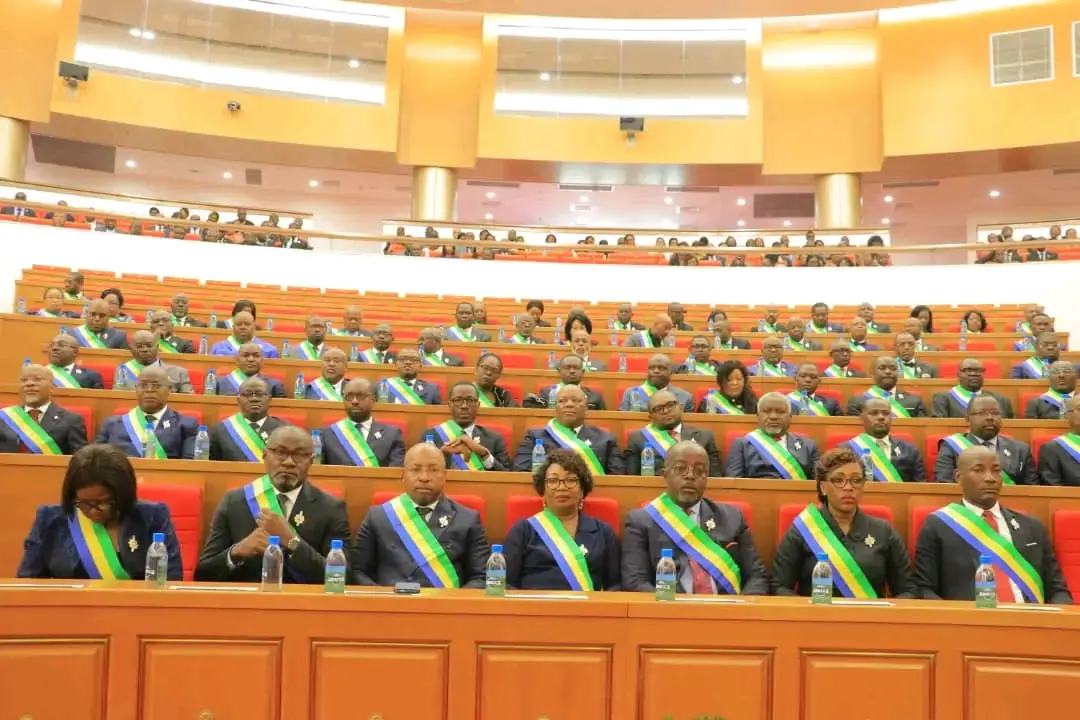
    The Palais Léon Mba, seat of the National Assembly of the Gabonese Republic, was the venue of a high-level parliamentary capacity building seminar on June 10, 2026, bringing together members of both chambers of the Gabonese parliament for an intensive day of training and experience sharing devoted to the evaluation of public policies, one of the most consequential yet frequently underexercised functions of modern legislatures across the African continent. The initiative, organised by the National Assembly of Gabon in partnership with the Parliamentary Assembly of La Francophonie, was designed to equip Gabonese deputies and senators with the conceptual frameworks, methodological tools, and practical competencies necessary to move beyond routine budgetary compliance checks toward a more rigorous, results-oriented scrutiny of government action in the service of citizens.

    The opening ceremony was presided over by the Fourth Vice-President of the National Assembly, the Honourable Roland Matsiendi, representing the President of the institution, Michel Régis Onanga M. Ndiaye, whose absence did not diminish the institutional weight lent to the proceedings by his deputy. In his opening address, the Honourable Roland Matsiendi underscored the imperative for elected representatives to equip themselves with modern and effective tools capable of measuring the real impact of public policies on the populations they serve. He framed the seminar not as a technical exercise but as a democratic necessity, situating it within a context marked by growing citizen demands for performance, transparency, and accountability from public institutions at every level of governance.

    Among the distinguished experts who addressed the Gabonese parliamentarians, the participation of the Honourable Joshua Osih, Member of Parliament for the Wouri Centre Constituency in the Littoral Region of Cameroon, drew particular attention and generated substantive engagement from participants. The Cameroonian lawmaker, who serves simultaneously as National Chairman of the Social Democratic Front and one of the most outspoken voices in Cameroon’s parliament on issues of governance and institutional reform, delivered a presentation on the theme “Why Does Parliamentary Evaluation of Public Policies Matter for Democracy?” His intervention placed the question of parliamentary oversight at the heart of democratic governance, arguing that a parliament which limits itself to voting budgets without subsequently measuring their outcomes against stated objectives is a parliament that has abdicated one of its most fundamental democratic responsibilities. He illuminated the central role of the legislature in assessing the results of government action and in holding the executive to account for the quality and effectiveness of its delivery, making the case for an oversight culture grounded not in political contestation alone but in evidence, methodology, and a genuine commitment to improving the lives of citizens. The fact that the Gabonese parliamentarians subsequently recommended Cameroon as one of three African parliaments whose experience in public policy evaluation merits direct study missions underscores the regional credibility that Cameroon’s legislature has accumulated in this domain.

    The seminar also benefited from the contributions of Dr. Mamadou Yauck, Special Adviser to the President of the National Assembly of Senegal, who presented the theoretical and methodological foundations of parliamentary public policy evaluation, providing participants with a rigorous analytical framework for understanding the mechanisms, tools, and principles that underpin effective legislative oversight. Petit Lambert Ovono, Head of the Public Policy Evaluation Department at the Presidency of the Republic of Gabon, complemented this with a presentation focused on the national context, mapping the existing instruments, the institutional actors involved, and the challenges that must be overcome to build a genuine evaluation culture within Gabon’s own governance architecture.

    The proceedings concluded on a note of unanimous satisfaction among participants, with the Honourable Elie Wilfried Boulingui, Member of Parliament for the first seat of the Douigny Department, describing the training as an important lever for improving the effectiveness of parliamentary oversight and enhancing the quality of public action. The moderator, the Honourable Roland Matsiendi, captured the spirit of the day in precise terms: “The objective of our gathering is to give parliamentarians the fundamentals that allow them to move from simple budgetary compliance checks to a genuine analysis of the results and impacts of programmes voted in the general interest.”

    The seminar closed with a series of concrete recommendations from participants, including the creation within both chambers of working groups charged with developing a roadmap for the effective implementation of the constitutional mission of public policy evaluation, the request for a multi-year support programme from the Parliamentary Assembly of La Francophonie, and the organisation of immersion missions and exchanges with African parliaments possessing recognised expertise in the field, with Cameroon, Senegal, and CĂ´te d’Ivoire specifically identified as priority destinations for such learning exchanges. The Gabonese parliament’s determination to modernise its legislative action and equip its elected representatives with the competencies needed for more rigorous, relevant, and results-oriented oversight reflects a broader movement across Francophone Africa toward a more substantive understanding of what parliamentary democracy demands of those who exercise it.

  • Femmes et jeunes parlementaires mieux outillĂ©s pour l’action lĂ©gislative

    Femmes et jeunes parlementaires mieux outillés pour l’action législative

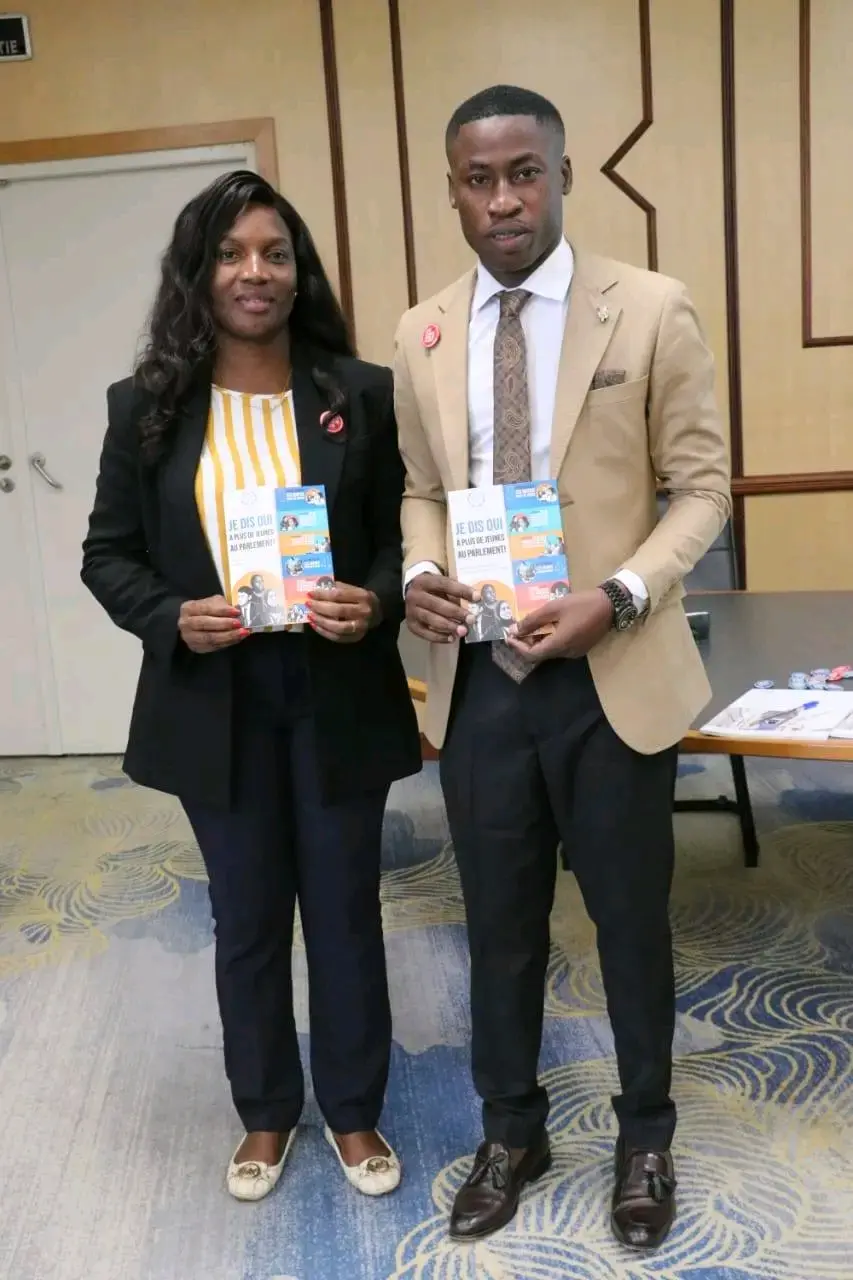
    Un atelier de renforcement des capacités a réuni les femmes et les jeunes élus en marge de l’examen du projet de loi de finances rectificative 2026. Objectif : améliorer leur maîtrise des questions budgétaires, législatives et de gouvernance afin de renforcer leur contribution aux travaux parlementaires.

    Par notre correspondant Ă  Libreville

    Pendant que les commissions permanentes poursuivent l’examen du projet de loi de finances rectificative pour l’exercice 2026, les activités parlementaires se sont également enrichies d’une importante initiative de formation à l’Assemblée nationale gabonaise. Femmes et jeunes parlementaires ont pris part à un atelier de renforcement des capacités consacré aux enjeux législatifs, budgétaires et de gouvernance.

    Organisée dans l’une des salles de l’institution, cette rencontre s’inscrit dans une dynamique de professionnalisation de l’action parlementaire et de consolidation des compétences des élus. Elle vise à permettre aux participants de mieux appréhender les mécanismes d’élaboration et de contrôle des politiques publiques, tout en favorisant une participation plus efficace aux débats et aux travaux en commission.

    Dans un contexte marqué par l’examen du budget rectificatif de l’État, l’initiative revêt une importance particulière. Les questions budgétaires constituent en effet l’un des principaux domaines d’intervention du Parlement, appelé non seulement à voter les lois de finances, mais également à exercer un contrôle sur l’action gouvernementale et l’utilisation des ressources publiques. L’examen du projet de loi de finances rectificative 2026 intervient dans un environnement économique marqué par des ajustements budgétaires et la volonté des autorités de mieux adapter les finances publiques aux réalités du moment.

    Au cours des échanges, les participants ont été édifiés sur les procédures législatives, les mécanismes de contrôle budgétaire ainsi que les principes de bonne gouvernance. L’objectif est de permettre aux femmes et aux jeunes parlementaires, dont la présence au sein des institutions représentatives ne cesse de croître, de jouer pleinement leur rôle dans le processus décisionnel.

    Cette initiative s’inscrit également dans une tendance observée dans plusieurs parlements africains visant à renforcer les capacités des élus sur les questions de finances publiques, de contrôle parlementaire et de leadership institutionnel. Des expériences similaires menées au Gabon ont déjà démontré l’importance de la formation continue pour améliorer l’efficacité de l’action parlementaire et la qualité du contrôle de l’exécutif.

    Au-delà du renforcement des connaissances techniques, l’atelier entend promouvoir une plus grande implication des femmes et des jeunes dans les processus de décision publique. Les organisateurs espèrent ainsi contribuer à l’émergence d’une nouvelle génération de parlementaires davantage préparée à répondre aux attentes des citoyens et aux exigences d’une gouvernance moderne.

    À travers cette démarche, l’Assemblée nationale réaffirme sa volonté d’investir dans le capital humain de ses membres afin de rendre l’institution plus performante, inclusive et capable de relever les défis du développement du Gabon.